Before Legends became the game we know today, it began as something very different.
Beginnings
Originally, Legends of Might and Magic was envisioned as an Action/RPG with cooperative multiplayer adventures for up to six players online. Players would have journeyed through four separate worlds to stop a mad sorcerer named Zephram Dagrath, who sought to travel back in time and reshape the future.

The game was planned to include a random adventure generator, along with a 16-player deathmatch mode for those who preferred competition over cooperation. Finally, there was even mention of a Player vs Monster Arena, where heroes could test their strength against any of fifty different creatures.
The RPG Story
In the earliest concept, a strange scholastic experiment goes terribly wrong, transporting the King’s trusted advisor — Zephram Dagrath — into another world within a strange and unstable dimension. It becomes the duty of Prince Golwyn and his five companions to bring him home.
But there’s a catch…
Zephram has gone mad, consumed by delusions of godhood and a desire to reshape time itself. To stop him, a wise shaman named Teldran guides Golwyn and his companions on a perilous quest to recover four magical artifacts, each hidden within a different world. Only these relics together could end the spreading chaos.
After outfitting themselves in the starting town, players would travel to Teldran, who offered a selection of adventures. The available quests depended on each player’s level and progress through the story. Completing adventures granted skill improvement points and a unique class-specific item — though each hero could only earn their special item once, making it a true badge of mastery.
The game was planned to feature over twenty quests spanning multiple storylines. Players might have been tasked with slaying raiders threatening a nearby village, rescuing prisoners from dungeon cells, escorting vulnerable caravans, stealing relics from enemy strongholds, or even escaping from imprisonment deep underground. A random dungeon generator would have kept every journey fresh, ensuring that no two adventures were ever the same.
When the design shifted toward competitive play, Prince Golwyn and his companions faded into legend — their world giving way to the fast-paced battles and rivalries that would define the final incarnation of Legends of Might and Magic.
Character Selection
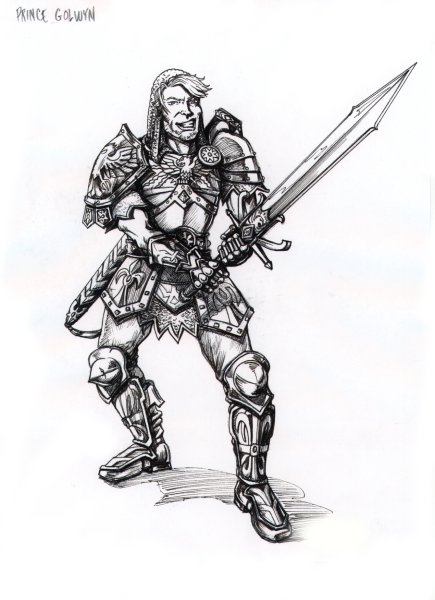
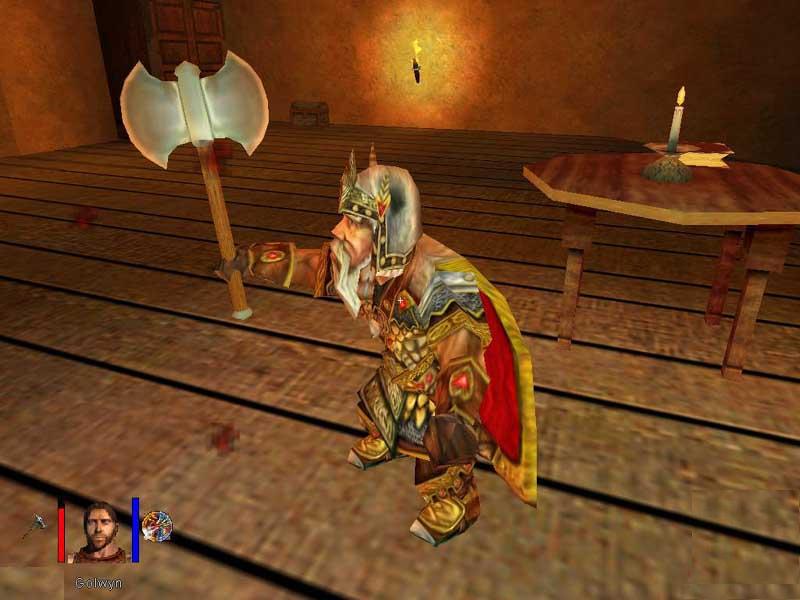
Prince Golwyn
Cut Hero – Early RPG Concept. Golwyn was intended to be the heir to King Rydric, leading a party to stop Zephram Dagrath.
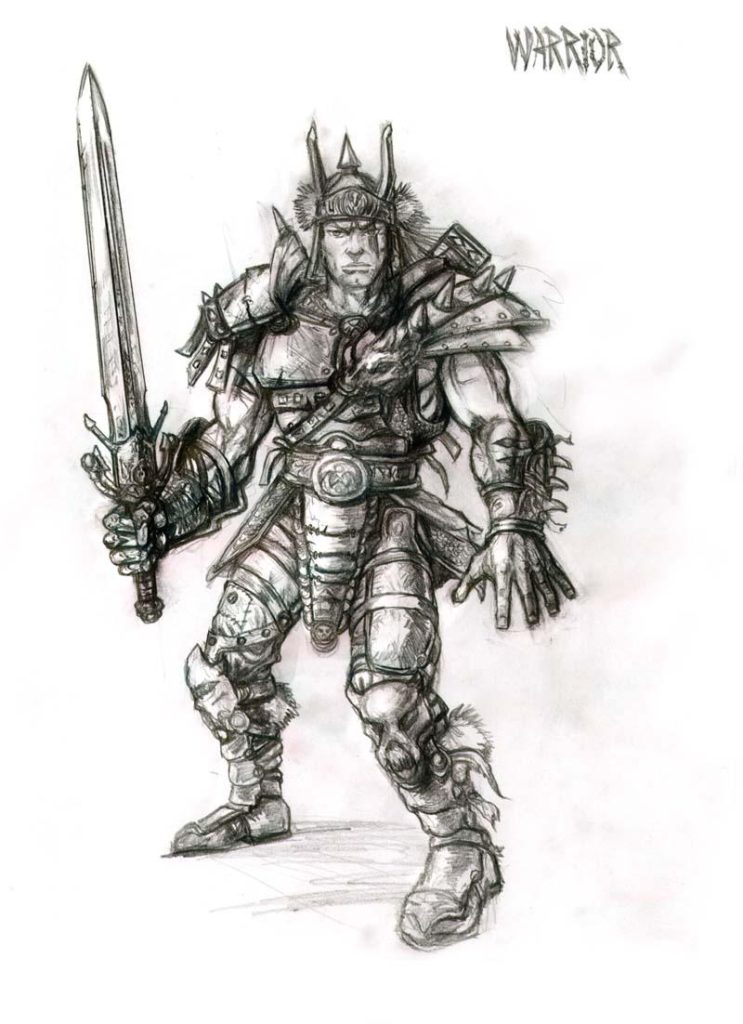
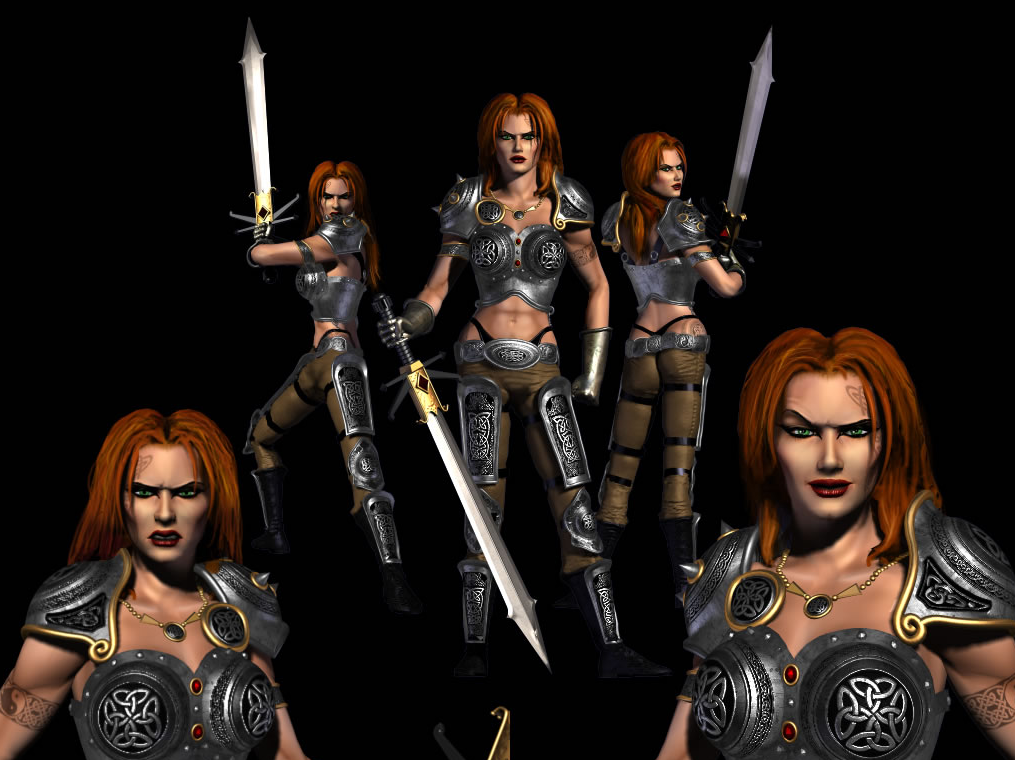
Warrior
A master of brute strength. The Warrior possessed no magical abilities, relying purely on physical might to overcome enemies.
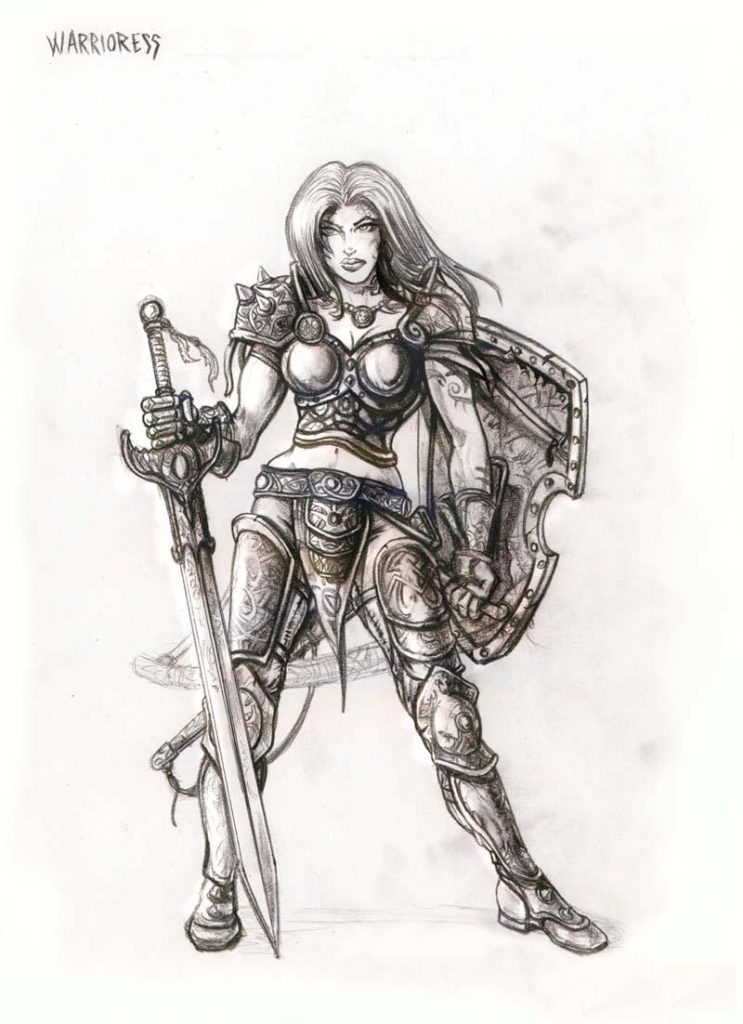

Crusader
Similar to the Warrior but with a touch of divine power — trading a bit of brawn for limited clerical spell-casting.


Archer
A long-range fighter skilled with the bow, capable of using minor elemental magic when forced into close-quarters combat.

Cleric
More reliant on faith than strength, the Cleric combined offensive and defensive magic to smite foes and protect allies.
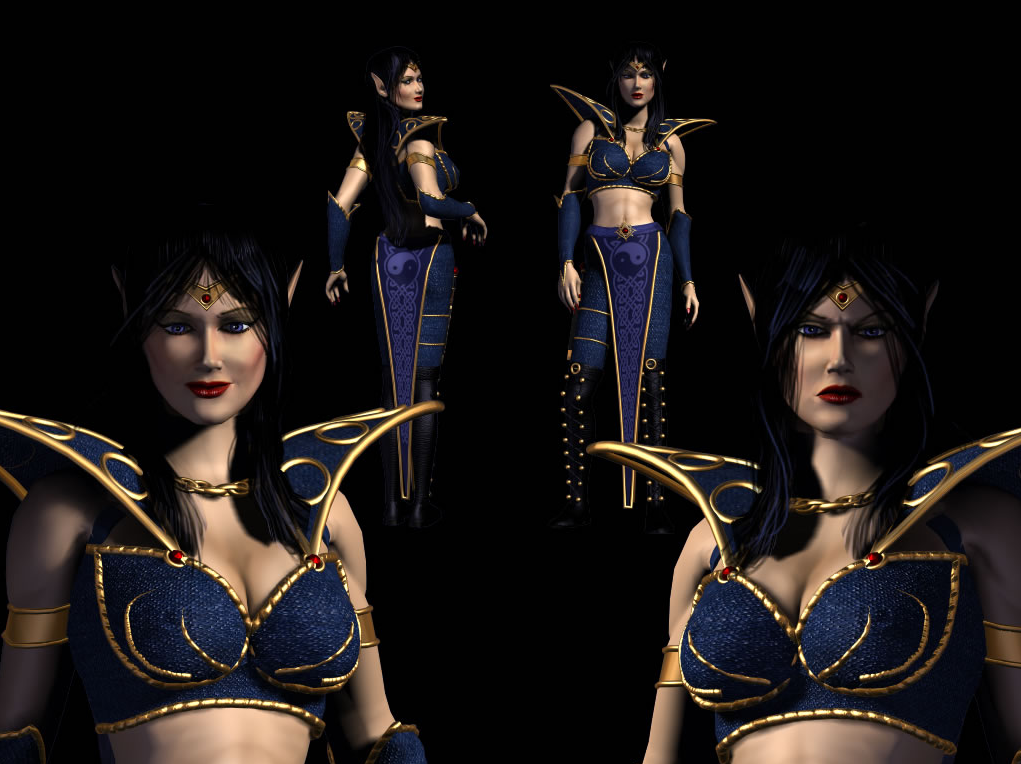
Below are possible versions of the cleric but nothing has been confirmed.
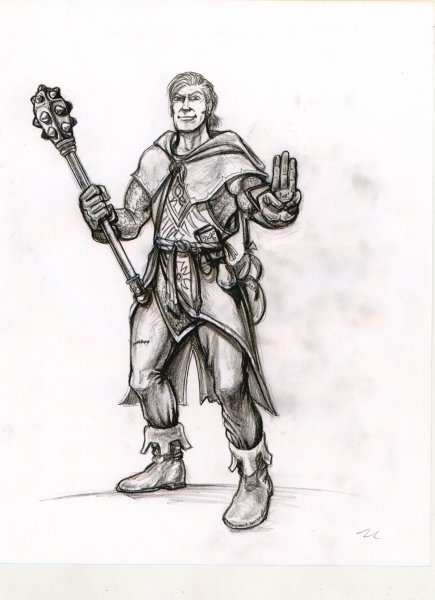

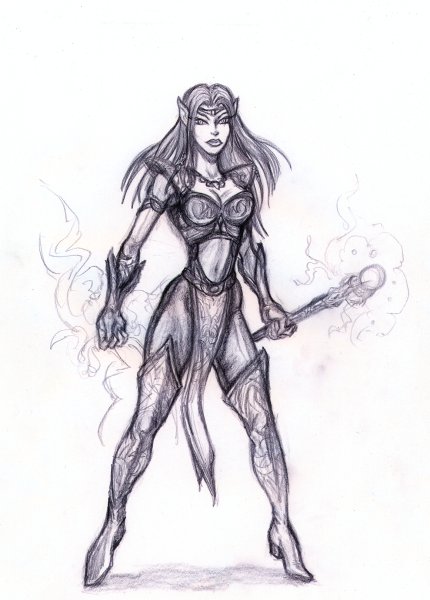
Sorceress
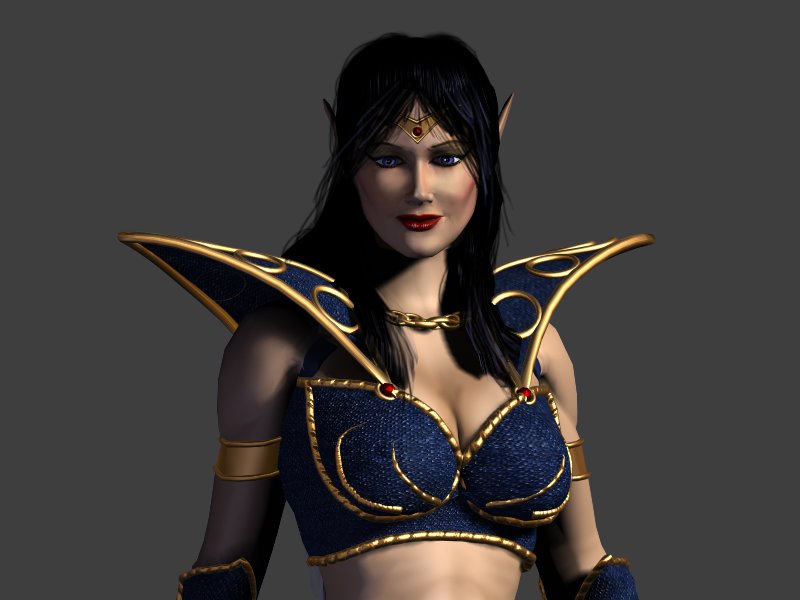
The complete opposite of the Warrior — frail in body but devastating in magical power, wielding pure elemental energy.


Druid
A balanced hybrid between Cleric and Sorcerer, mastering both nature’s fury and healing arts at the cost of raw might.


Concept Sketches and Early Environments
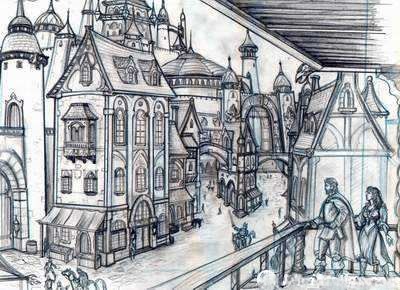
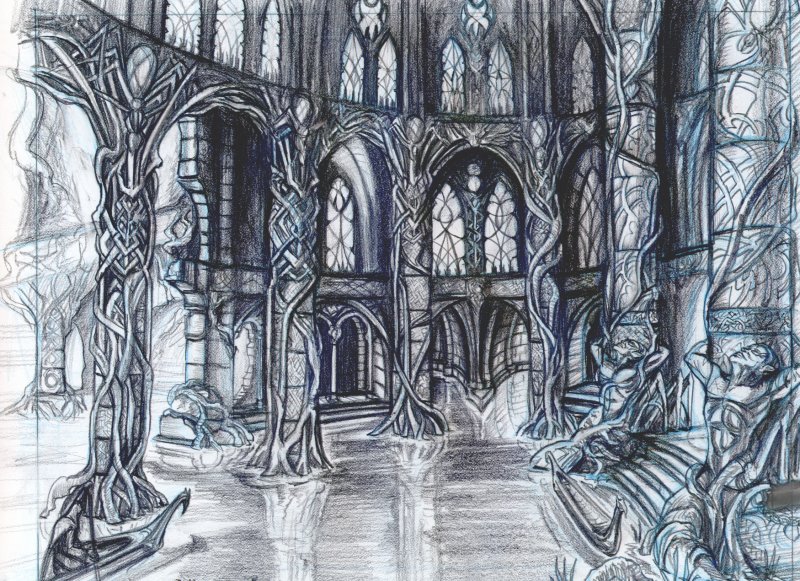
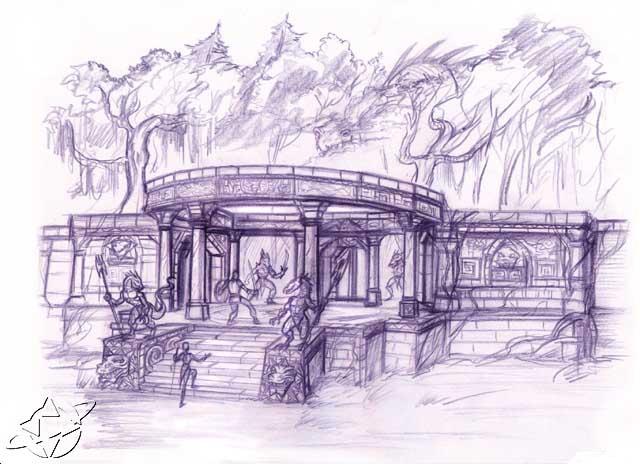
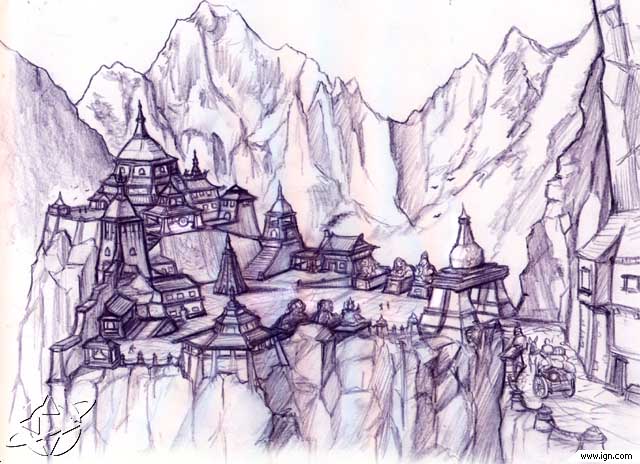
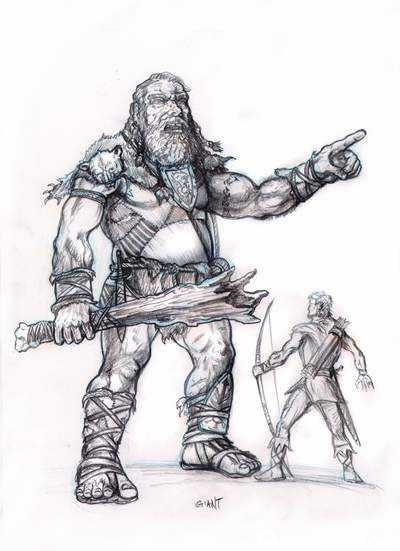
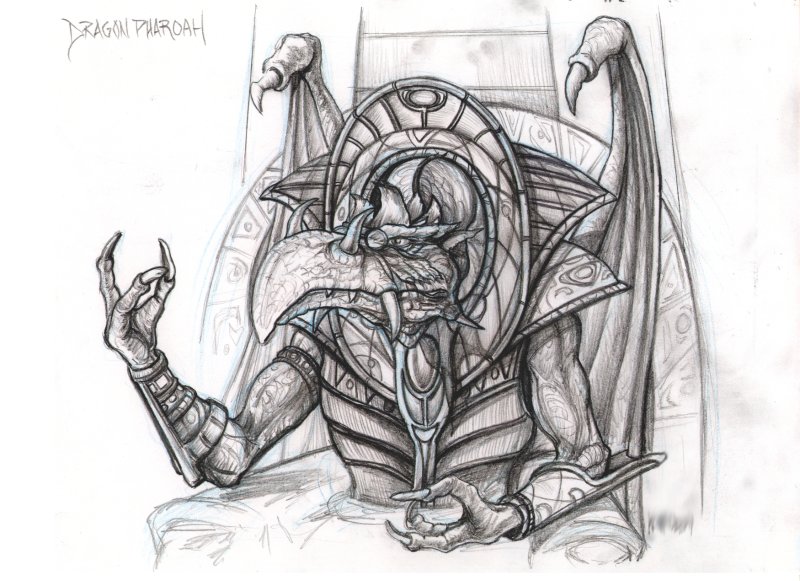
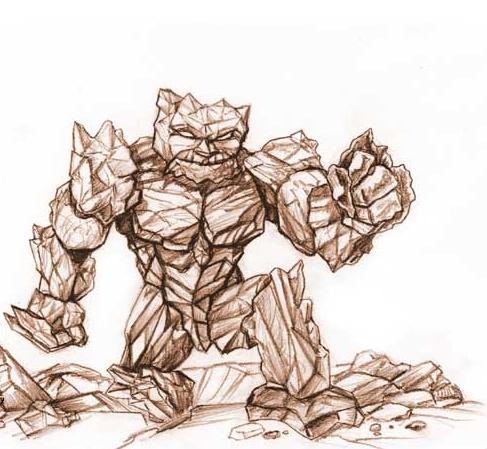
Long before the playable builds, Legends of Might and Magic existed on paper and canvas — a world being imagined through pencil lines and layered shadows. These concept drawings reveal what the artists of New World Computing envisioned: towering cities of stone and light, dwarven halls carved into the mountains, and temples lost to time. Each sketch hints at the scale and atmosphere the RPG version of Legends was meant to capture — places not yet explored, but waiting beyond the gate.








Echoes of the Forgotten Build
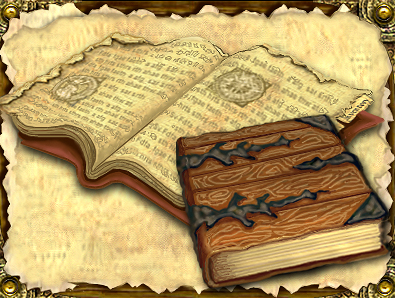
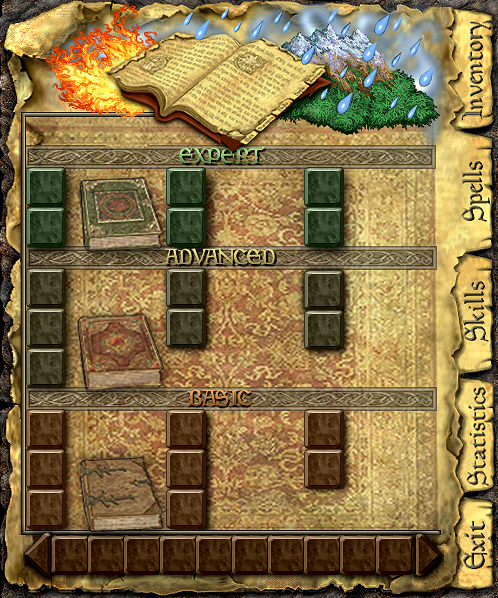
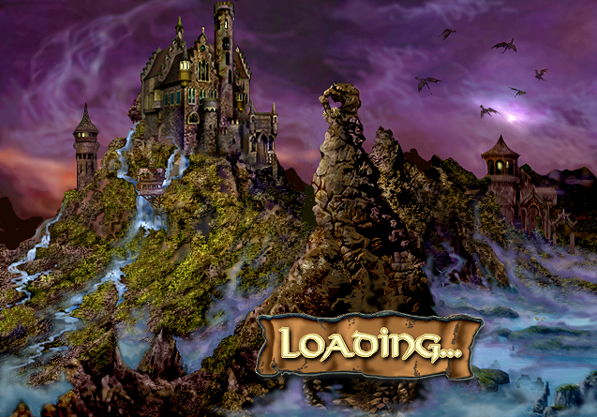
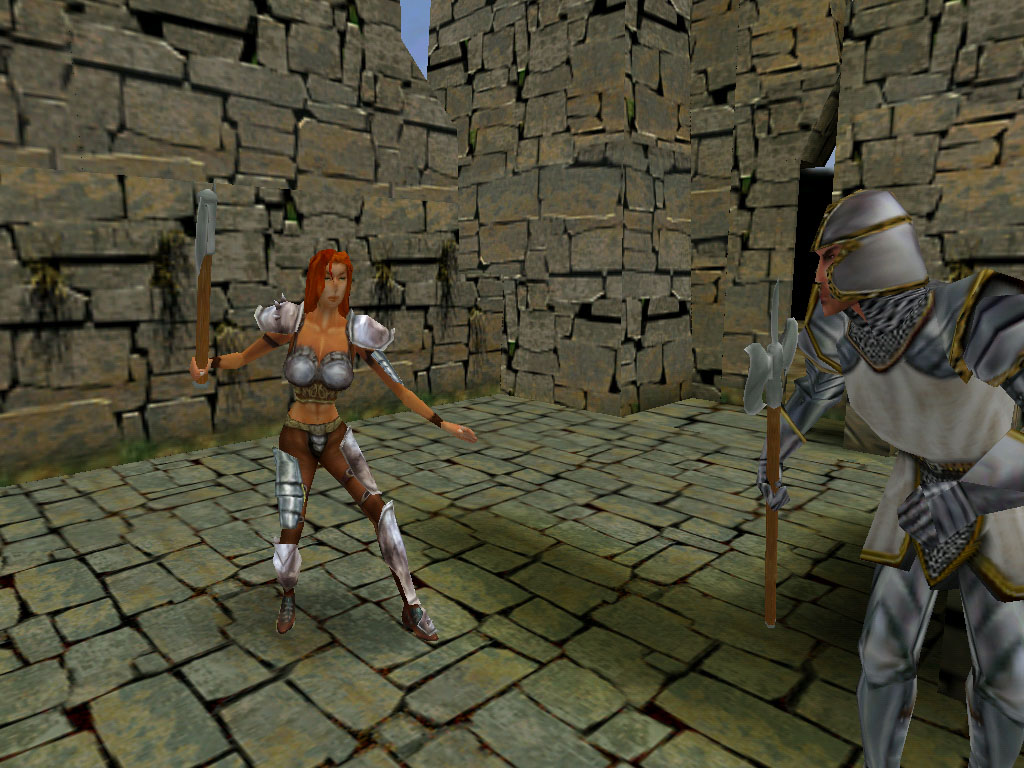
Before Legends of Might and Magic became the team-based action game we know, it existed in a very different form — a fully-fledged RPG prototype complete with spell-books, skill trees, and character sheets. The early interfaces revealed elaborate systems for magic mastery, player progression, and class development. Screens showing Natasia and Sir Christian capture this stage perfectly — test heroes used to experiment with combat, quests, and divine magic. The additional recovered spell-book and loading screens from other community archives further illustrate how advanced this version had become before the dramatic shift toward multiplayer combat.



Character Prototypes
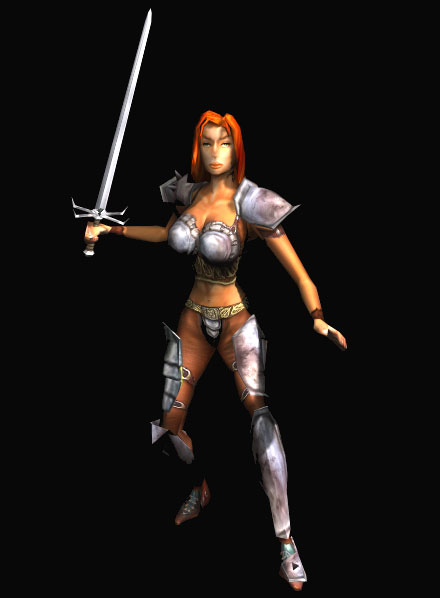
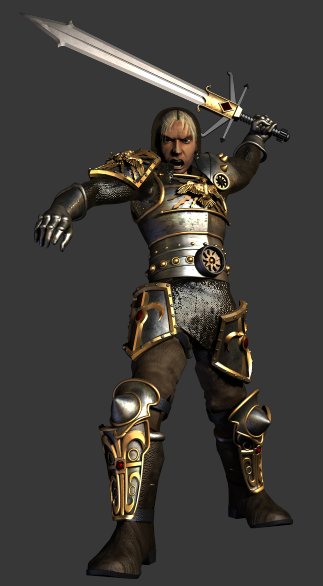
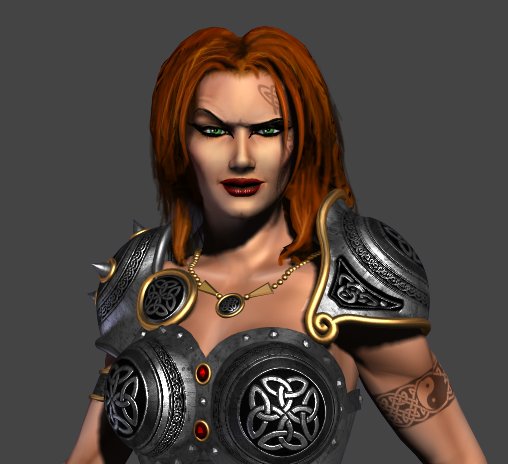
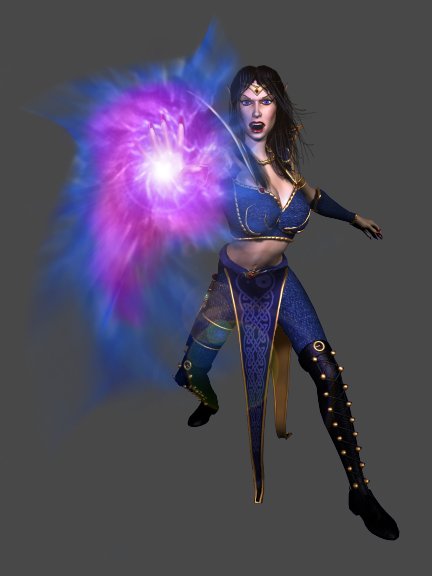
Before the redesign into a competitive action title, Legends of Might and Magic featured detailed 3D hero models built for a story-driven RPG. The early warrior, crusader, and sorceress designs seen here represent the game’s original vision — a world of quests, skill progression, and character advancement that was later reshaped into the team-based combat experience players know today.





The Town of Beginnings
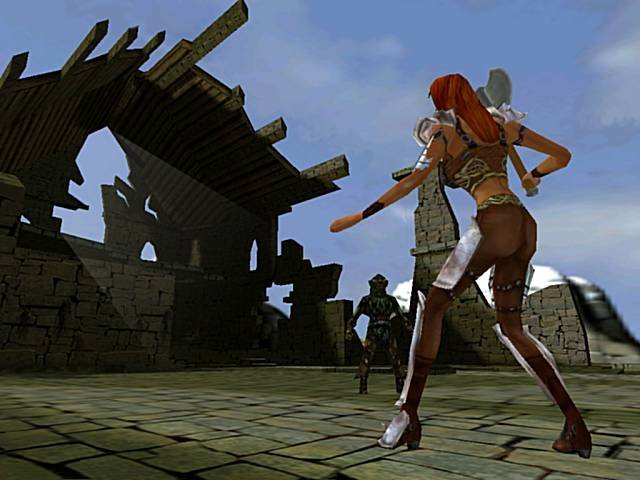
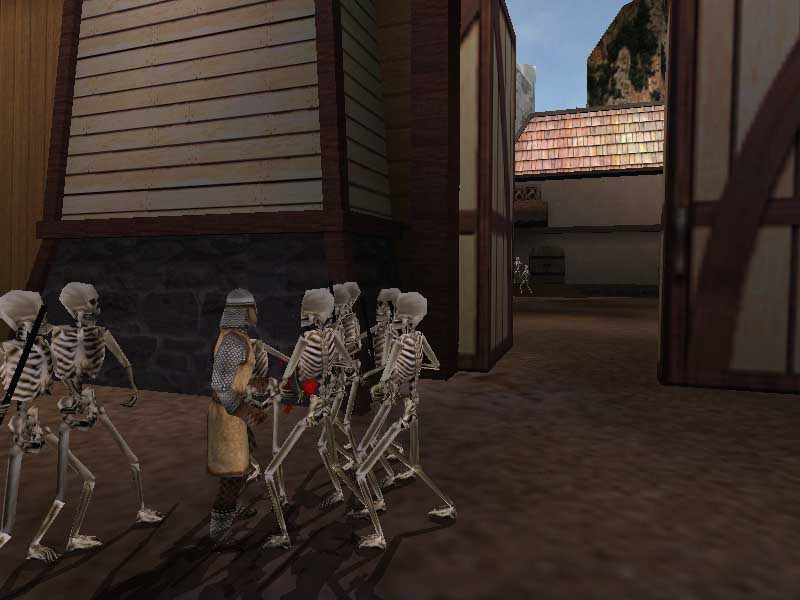
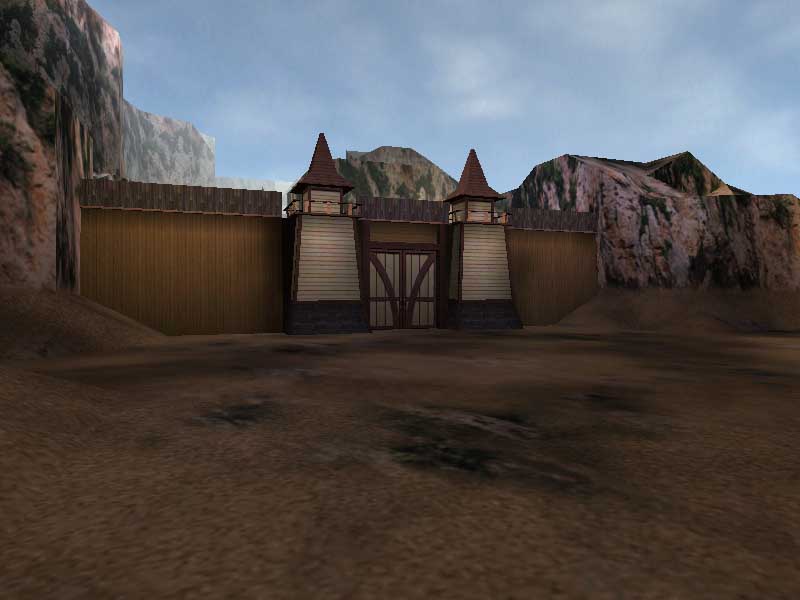
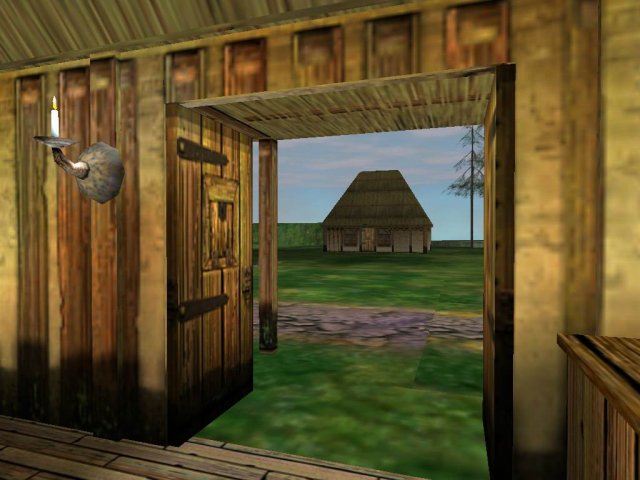
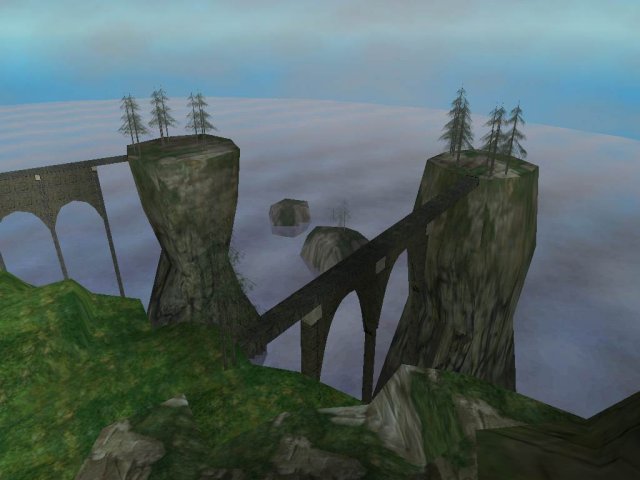
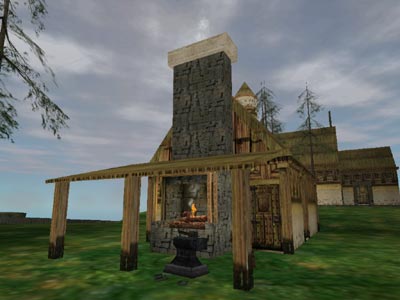
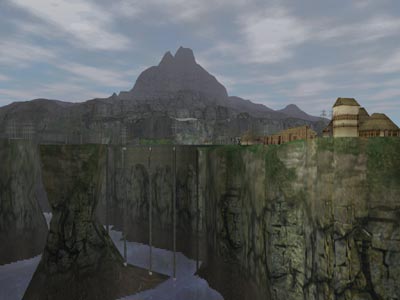
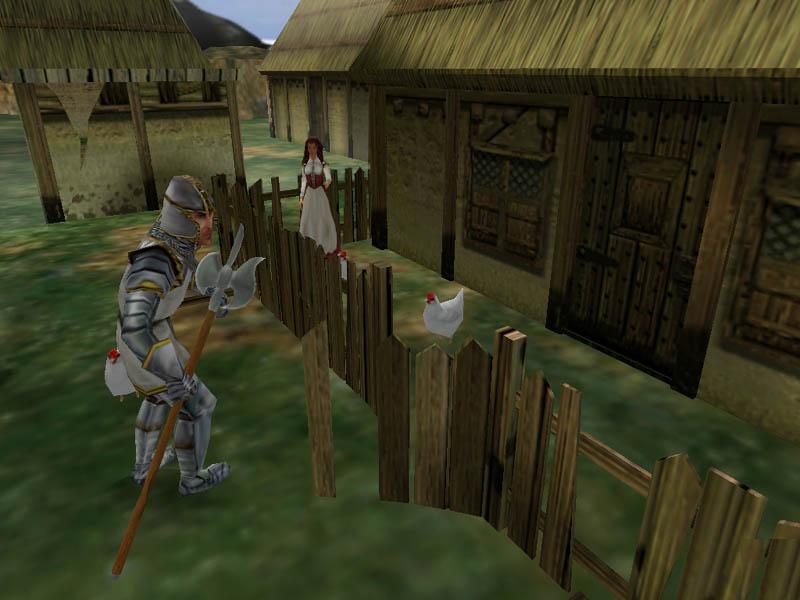
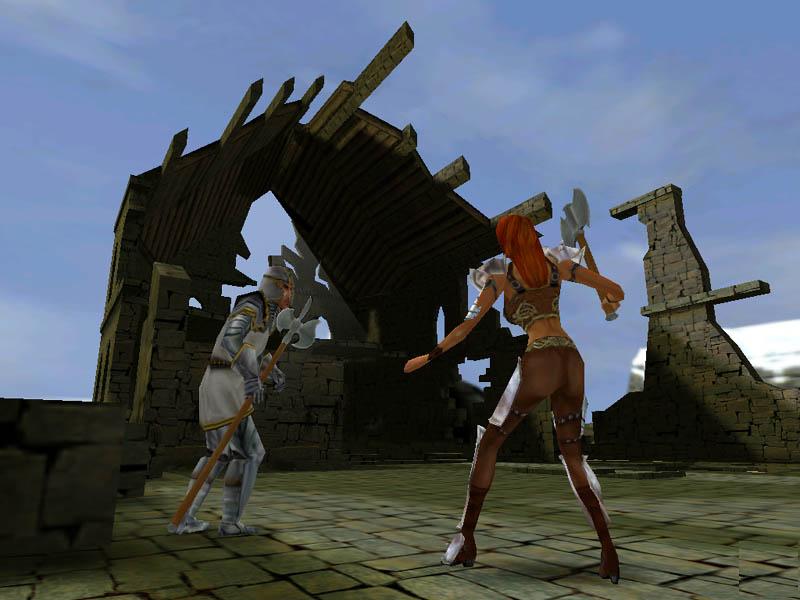
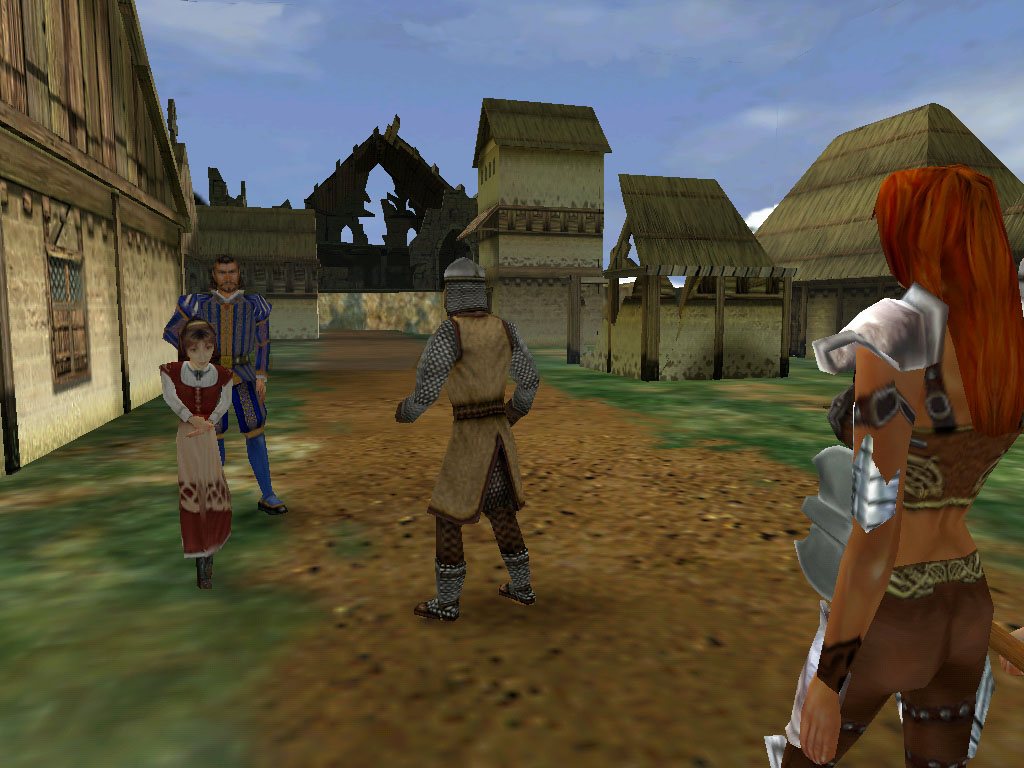
Believed to be the starting hub from Legends of Might and Magic’s unreleased RPG phase, this village appears to have served as a gathering place for players before setting out on quests. The layout, populated NPCs, and detailed interiors suggest a safe zone where adventurers could prepare, trade, and train. Knights and villagers share the streets, bridges connect to outer paths, and beyond the gates lie ruins hinting at adventures that were never finished. These images may be the only surviving glimpse of what was once planned as the first playable town in Legends of Might and Magic’s earliest vision.



Early Action/RPG HUD Shots
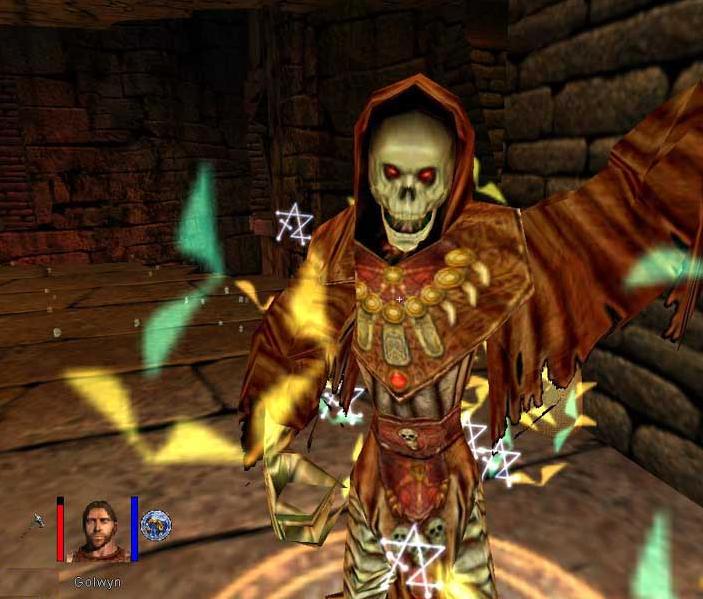
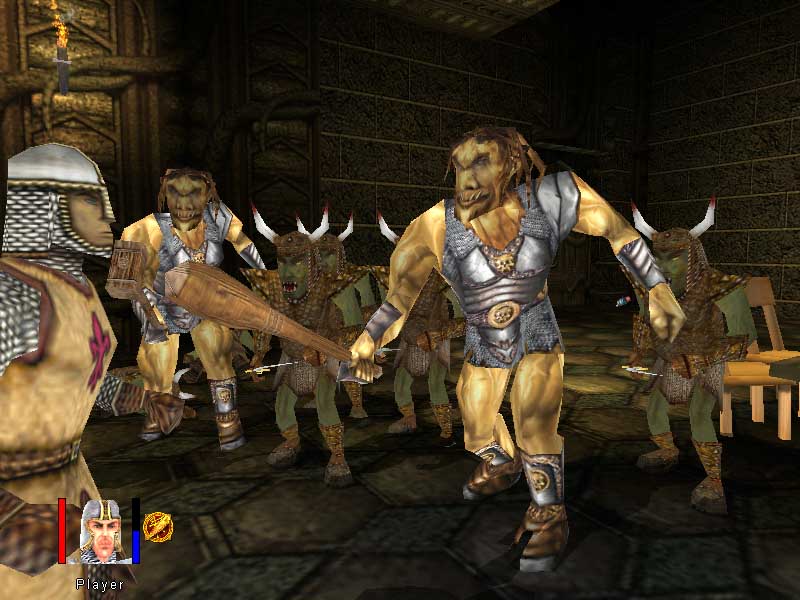
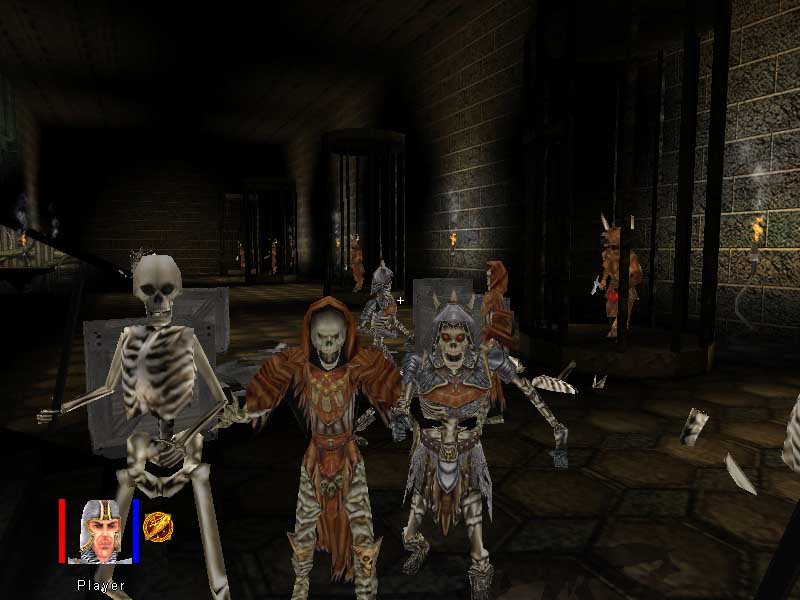
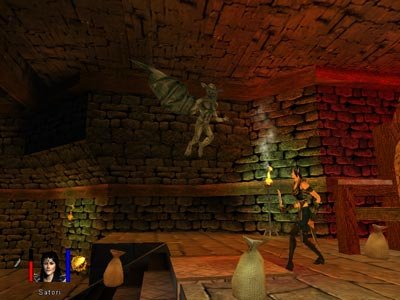
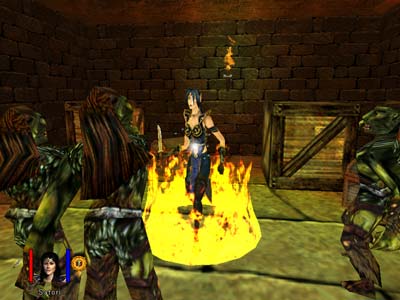
These screenshots reveal an unfinished HUD from the RPG phase of Legends of Might and Magic. The layout, with its portrait, health, and mana bars, hints at a system designed for character progression and spellcasting — far closer to a classic Might and Magic experience than the streamlined combat HUD seen in the retail release. It’s a small but telling glimpse into the game’s original intent: an adventure built on both magic and might, long before it shifted toward pure arena combat.




More Action..
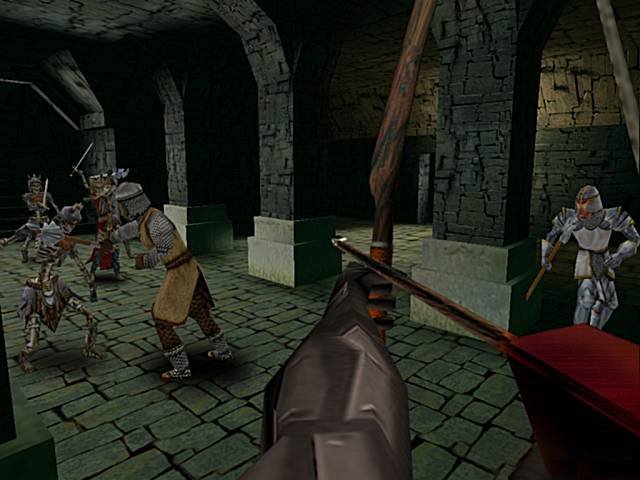
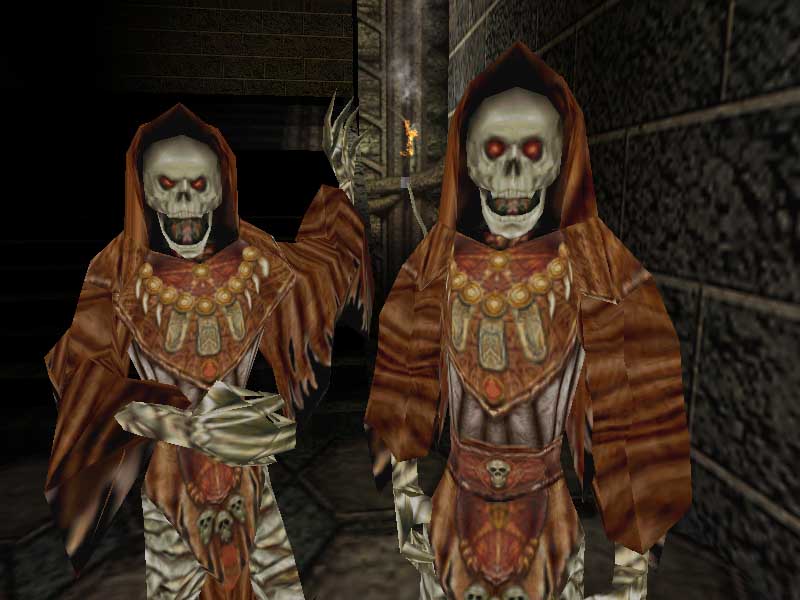
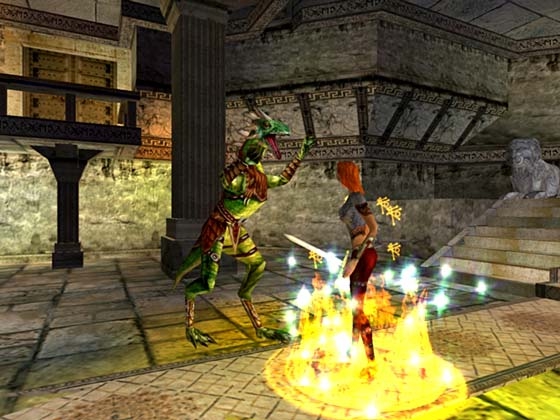
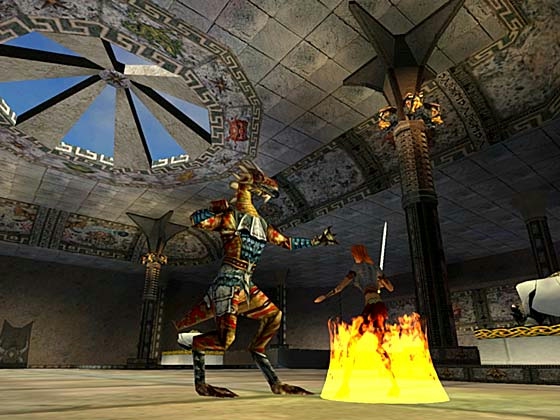
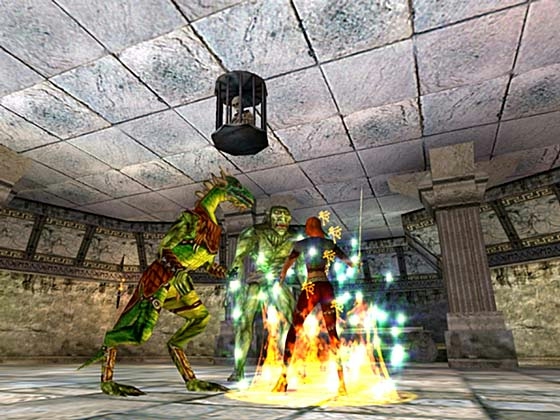
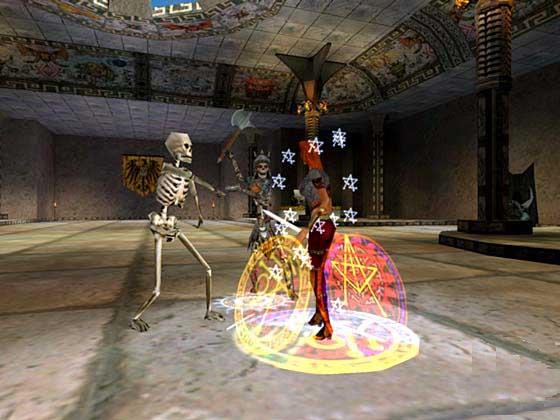
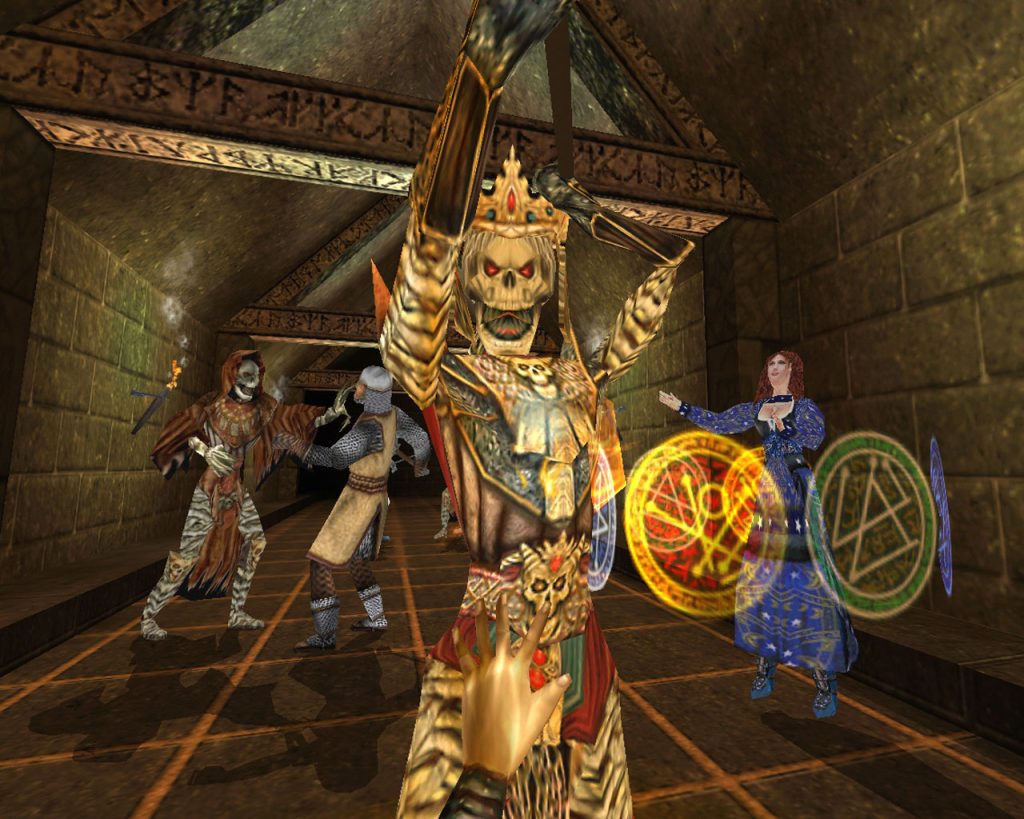
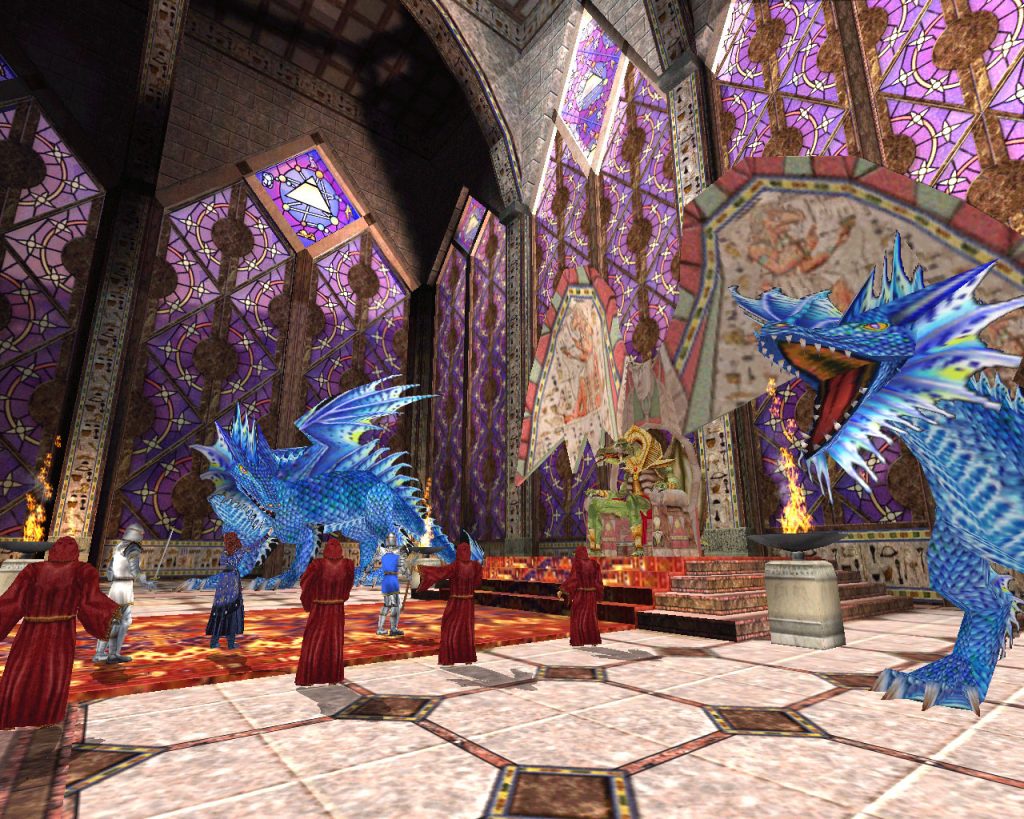
From these scenes, we catch glimpses of the adventure Legends of Might and Magic was meant to become. Teams of heroes faced dragons, liches, and lizardfolk in vast temples and crypts filled with light, color, and spell effects far ahead of their time. Magic and steel collided in cooperative battles that merged the spirit of Might and Magic with action-driven teamwork.
Though these worlds were never fully completed, they stand as echoes of a grander vision — one that sought to blend exploration, combat, and story into a seamless online journey. Soon after these builds, the project would take a new direction, transforming into the competitive action game that would ultimately release in 2001.







DragonBlade Origins
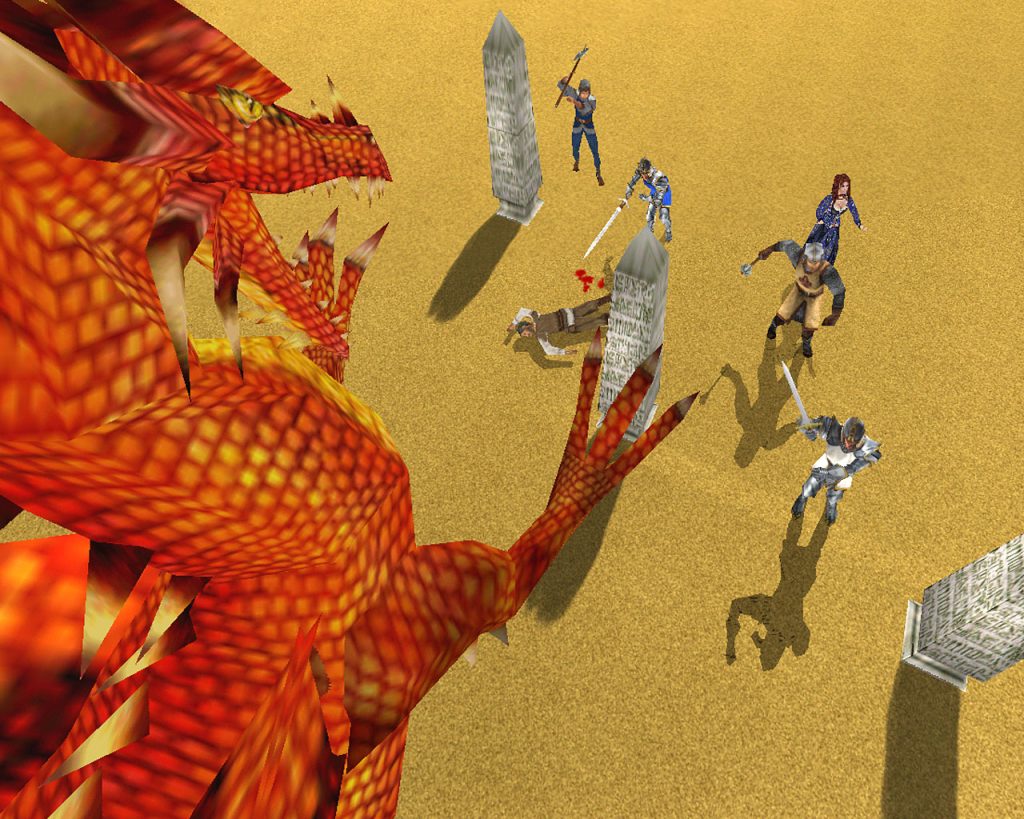
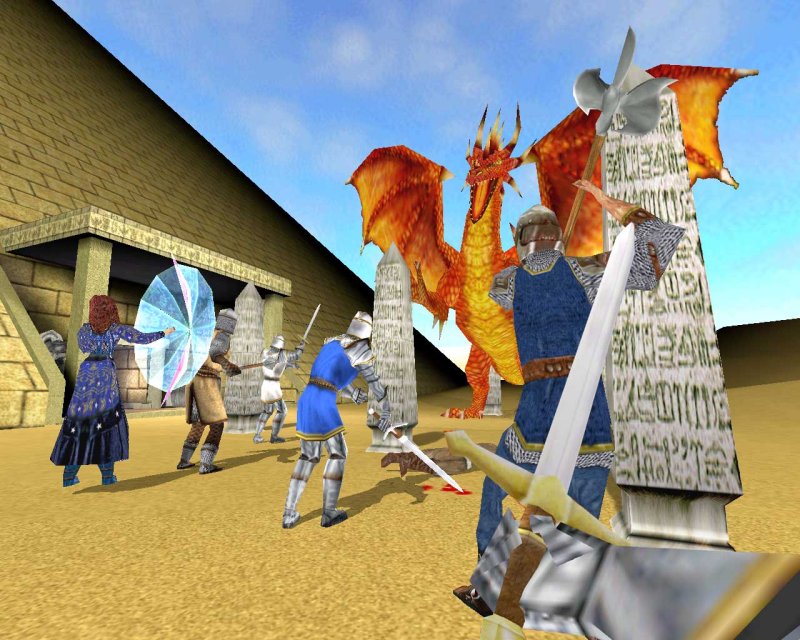
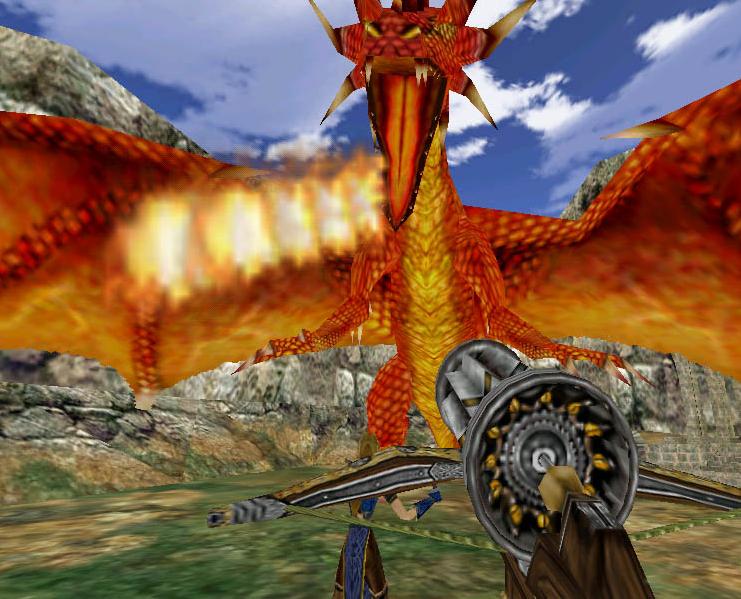
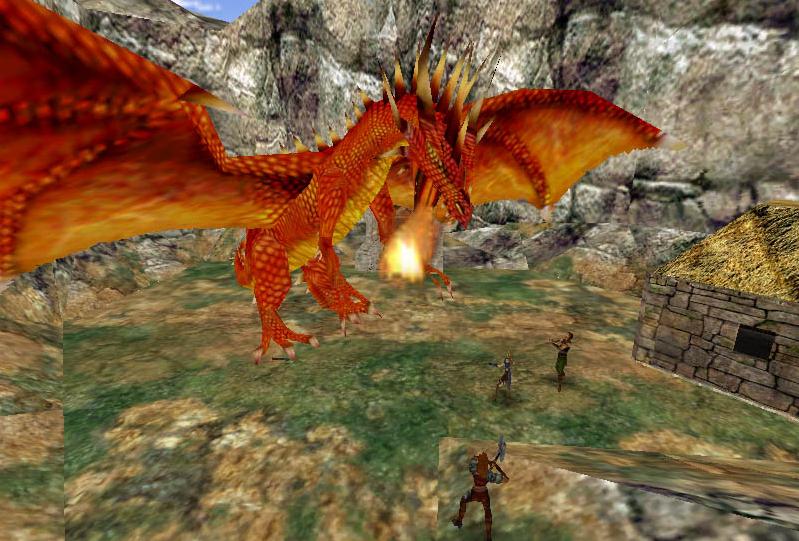
In these shots, we catch an early glimpse of DragonBlade from the period when Legends of Might and Magic was still being developed as an RPG. The map features slightly different textures, objects, and even the appearance of a Dragon — a creature that never made it into the final story associated with DragonBlade as we know it today. This suggests these images come from the transitional stage before the RPG concept was abandoned and LoMM took on its final action-focused form.

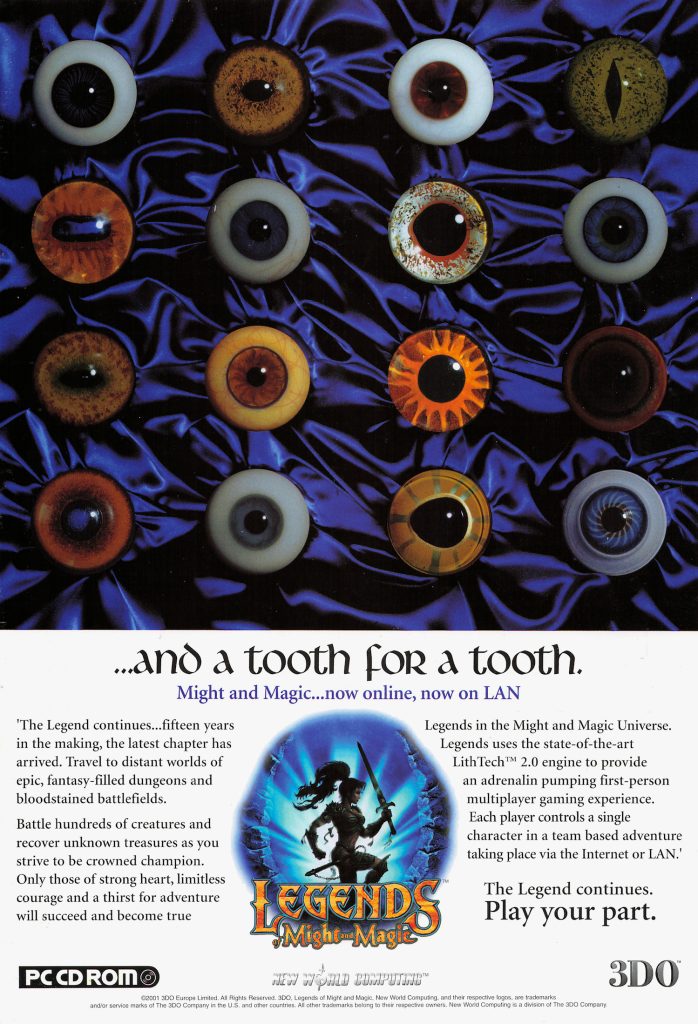
North American Retail Reservation Ad (GameStop / FuncoLand) — 2000

A Tooth for a Tooth — The Forgotten Advertisement
Promotional poster from mid-2000, released during Legends of Might and Magic’s transition from RPG roots to competitive multiplayer action.
The imagery and tagline reflect a brief, experimental moment in the game’s evolving identity..
A New Direction
Roughly six months later, New World Computing made a pivotal decision — to move away from Legends of Might and Magic’s original online RPG concept and reimagine it as a pure action game set in a fantasy world.
Executive Producer Jeffrey Blattner explained the shift:
“We reached a certain checkpoint some time ago and took a hard look at what we had. One thing we pride ourselves on at New World is gameplay, and we just didn’t feel we could deliver a fun experience with the direction we were headed. So, the decision was made to change course — to build a different kind of game instead.”
“The Might and Magic series is already so varied in gameplay. We have the Heroes strategy series and the classic Might and Magic RPGs, and everyone was really interested in branching out into an action-style experience. The original goal of Legends was to deliver the first online Might and Magic game — and that’s still what we set out to do.”
And that turning point marked the beginning of what we now know today as Legends of Might and Magic.
Below we see how things started changing in concept and design.
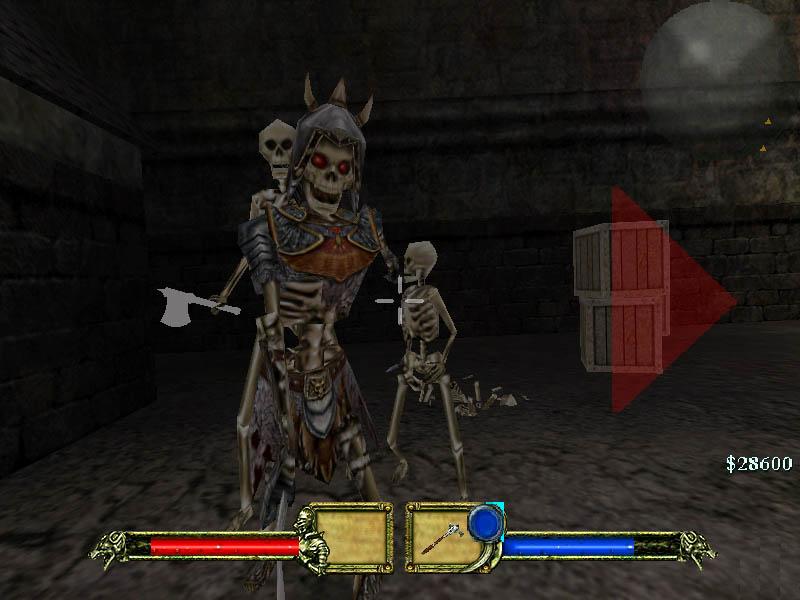
Early LoMM HUD Display
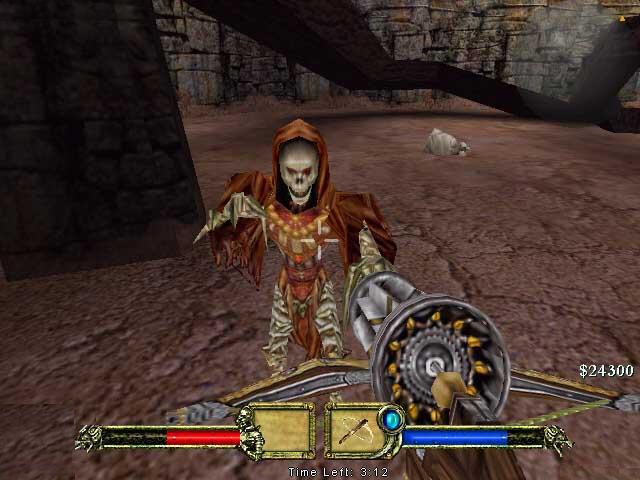
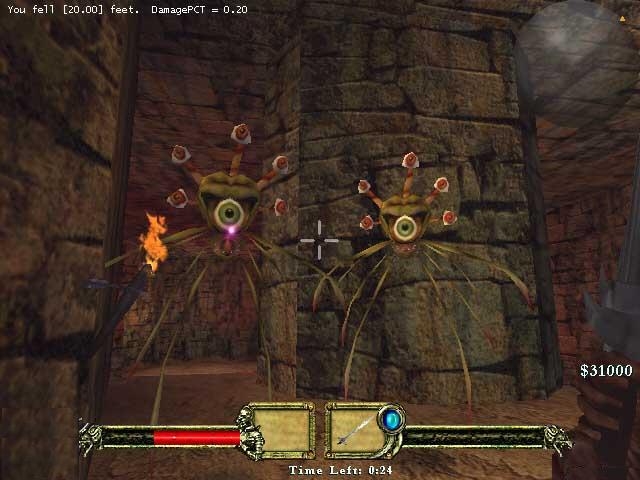
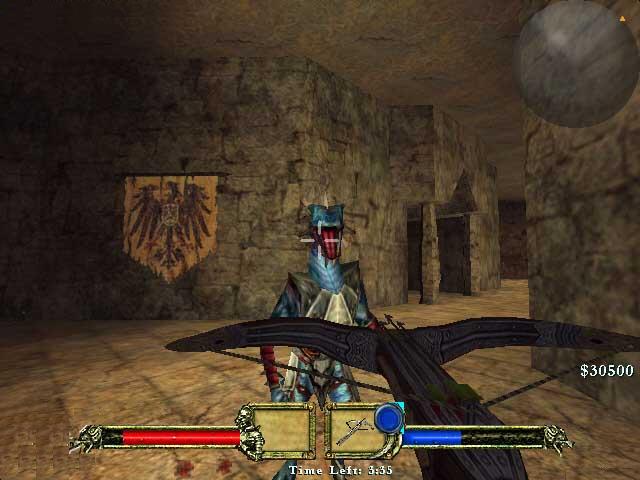
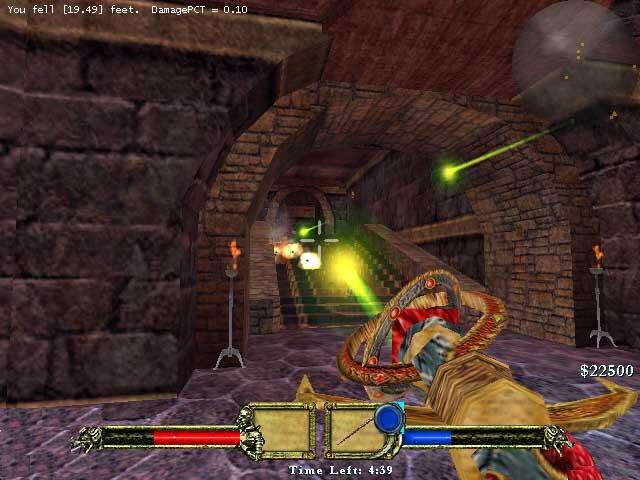
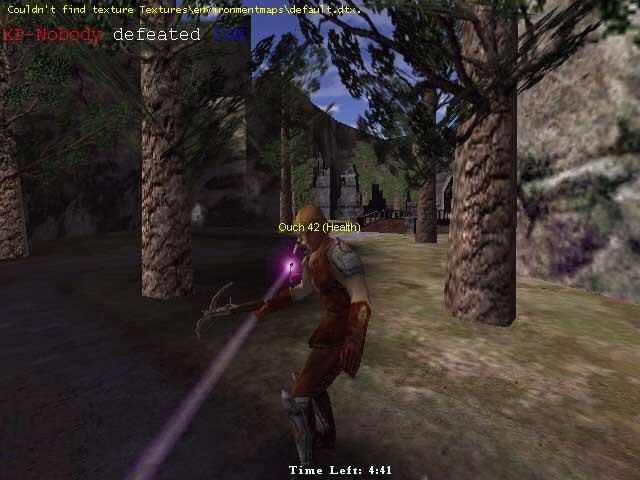
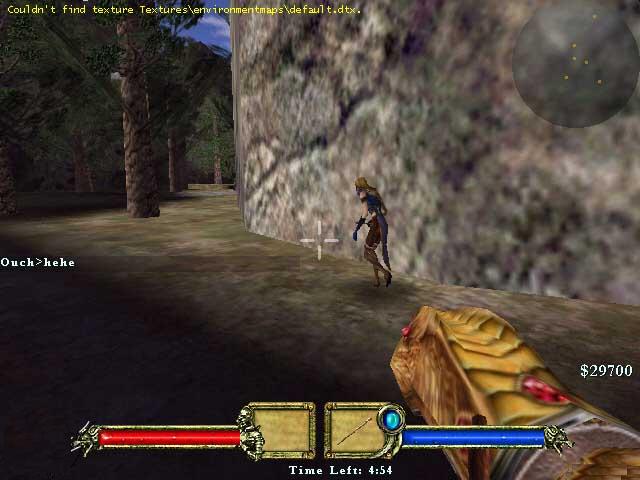
These shots show an early implementation of Legends of Might and Magic’s health and mana interface. The bars appear separated rather than in the more compact layout seen in the final release. The gold counter is also displayed in a different location, represented with a dollar symbol, and notably exceeds the retail cap of 20,000 — suggesting this was an unfinished or experimental version of the HUD.
Additional differences can be seen in the on-screen elements, including an alternate chat text style and a different “who killed who” readout format. In one shot, we also catch an early look at Dragon Slayers, featuring the Dragon surrounded by a desert landscape instead of the familiar green hills from the retail version.



Rescue at the Ruins – Early Armor and Monster Differences
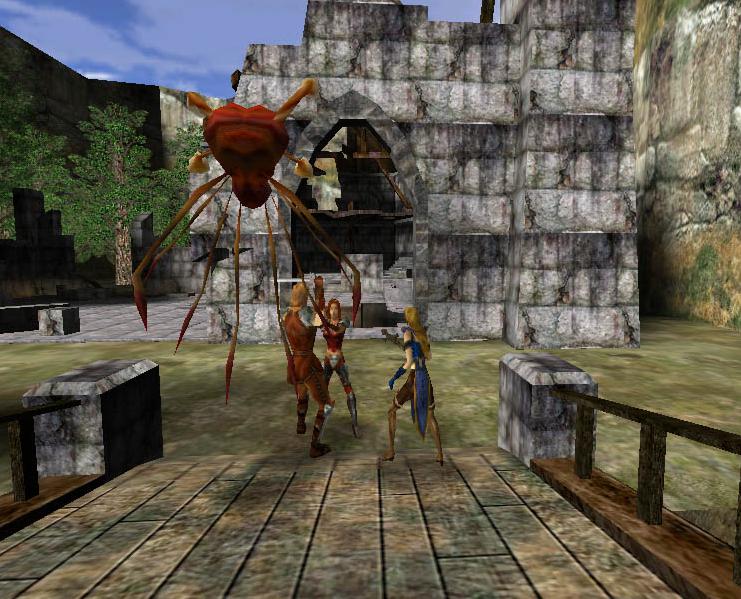
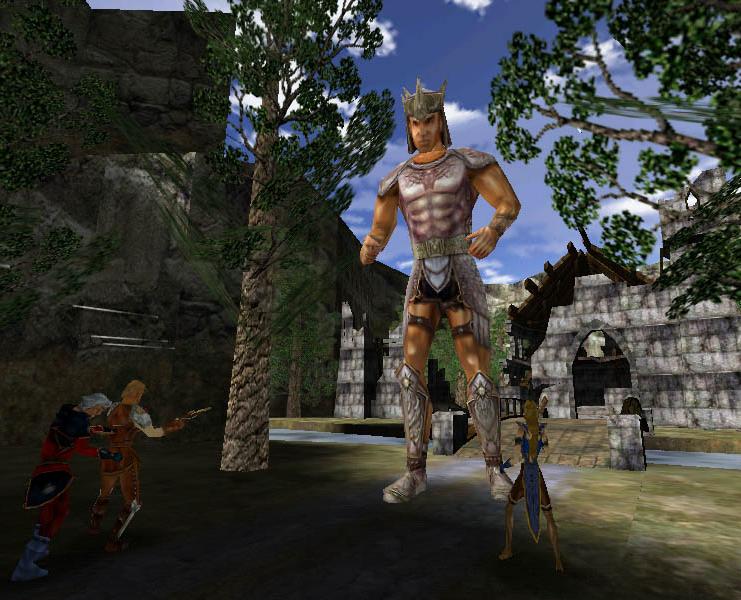
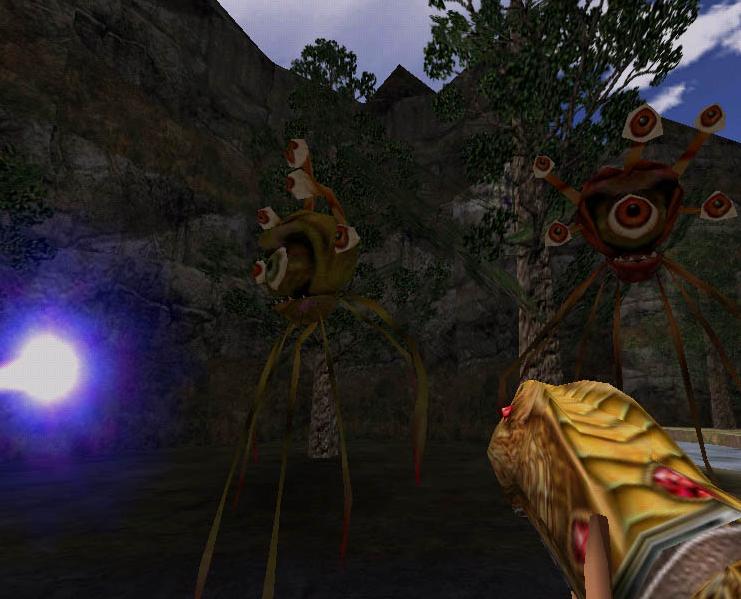
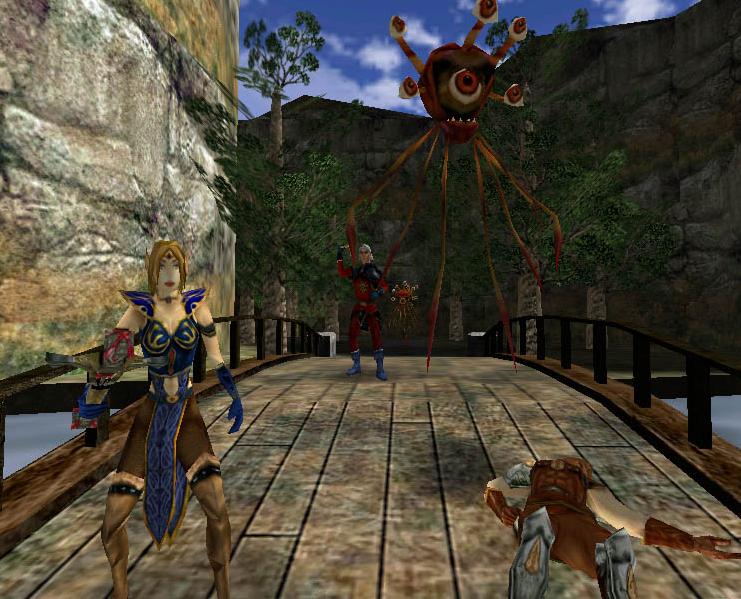
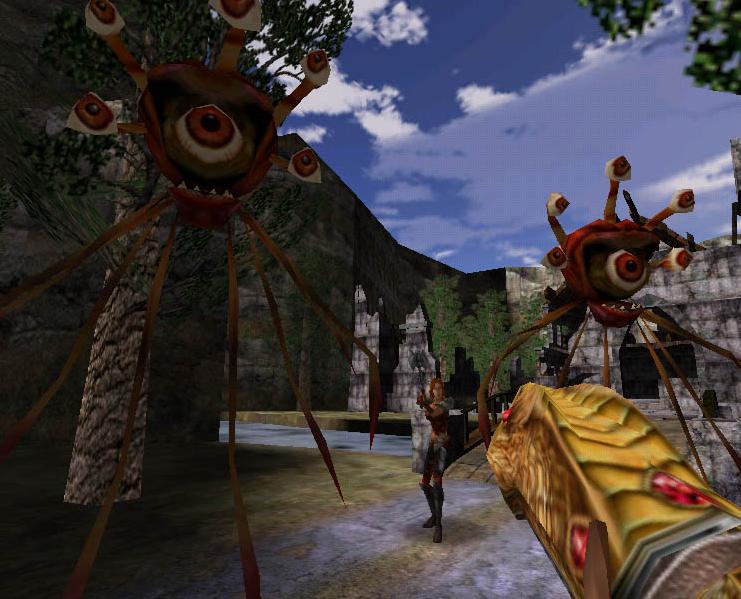
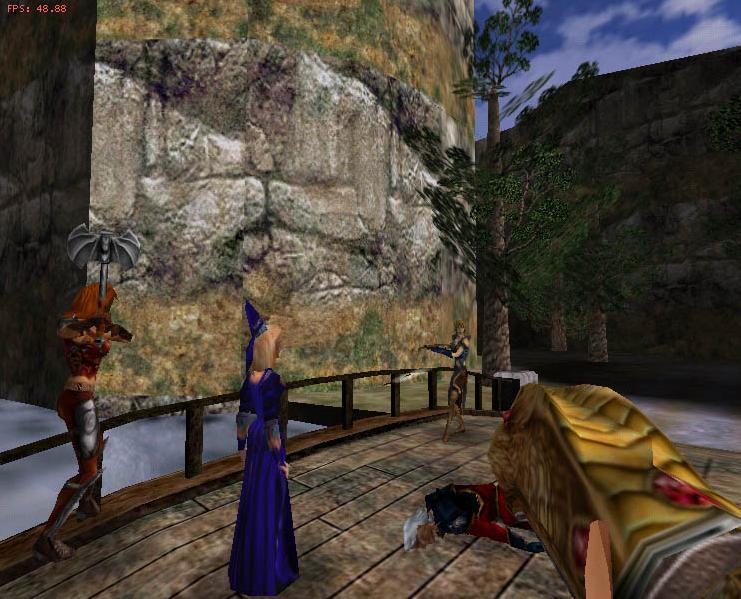
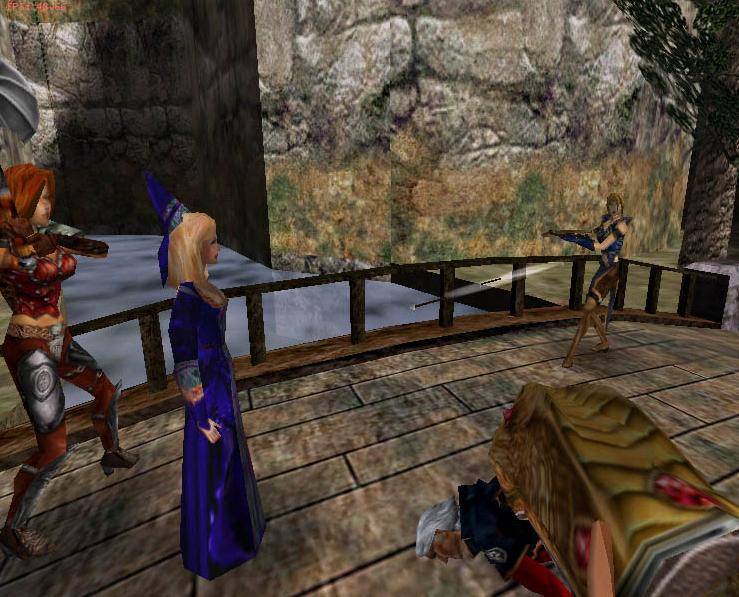
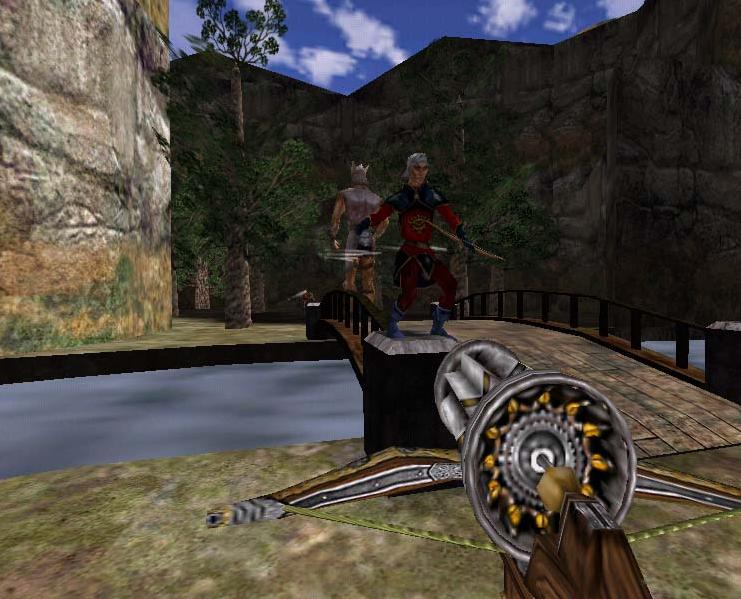
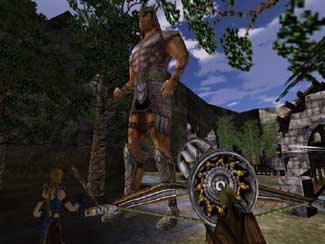
In these shots, we see an unusual sight for this classic map — a Titan appears among the enemies, along with Evil Eyes and Terror Eyes, none of which are present in the official retail release. The Warrior is also shown wearing the demo version of her armor, which differed noticeably from the retail design. In the demo, her armor featured more silver and grey tones mixed with red and brown, giving it a distinctly metallic look — grey or silver plating with red cloth underneath. In the retail version, most of the armor shifted to a uniform red, with far less silver or grey detail, making the differences between metal and fabric components less defined.
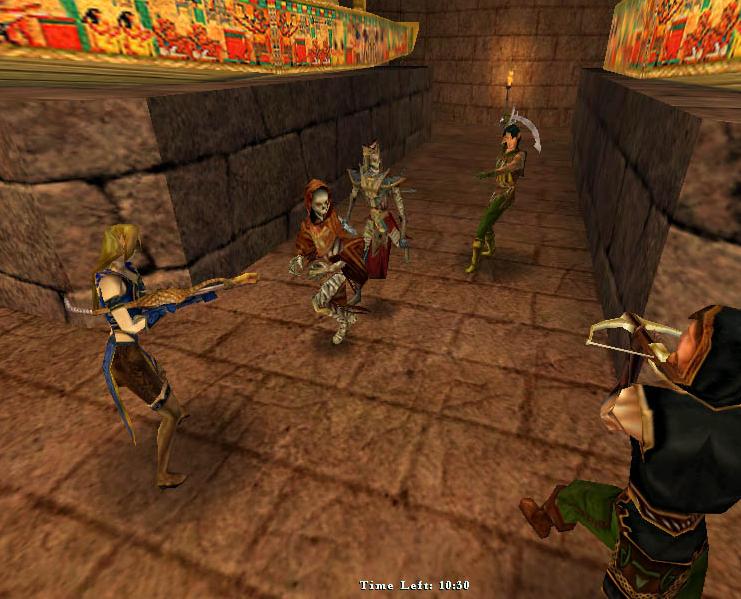
There are also several gameplay and interface differences visible in these shots, including a different remaining-time clock and projectile effects that don’t match the weapons they’re normally tied to in the retail build — suggesting that some weapon behaviors and visuals were still being tested or reassigned during this stage of development.









Dungeon Rescue with a Difference
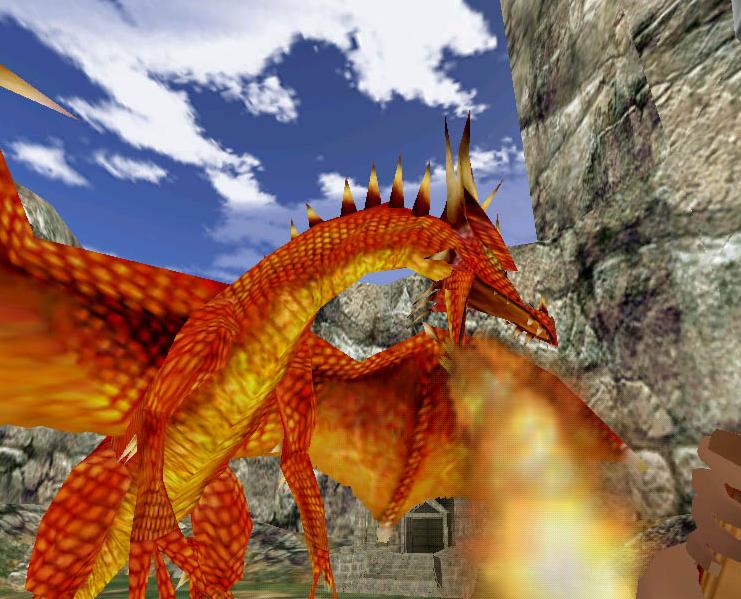
In this version of Dungeon Rescue, we see a Dragon holding court outside the mines — a sight not present in the retail release. Several terrain textures also differ, and the small buildings outside now feature straw-thatched roofs and rough stone walls made of large boulders, giving them an older, more weathered look. These details make the structures feel more primitive and less refined than the clean, flat-walled designs seen in the final retail map. The Warrior is also shown wearing her demo-style clothing, further hinting at this being an early or transitional build.




Alternate Clothing Color on the Archer
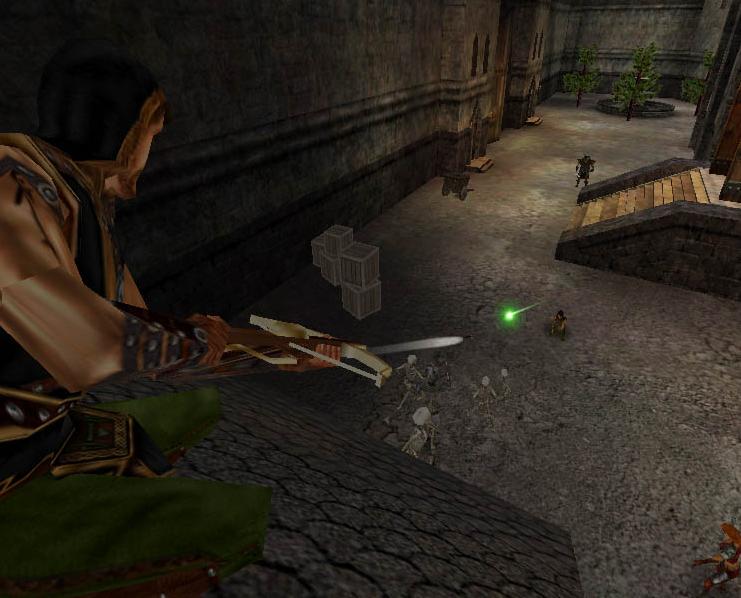
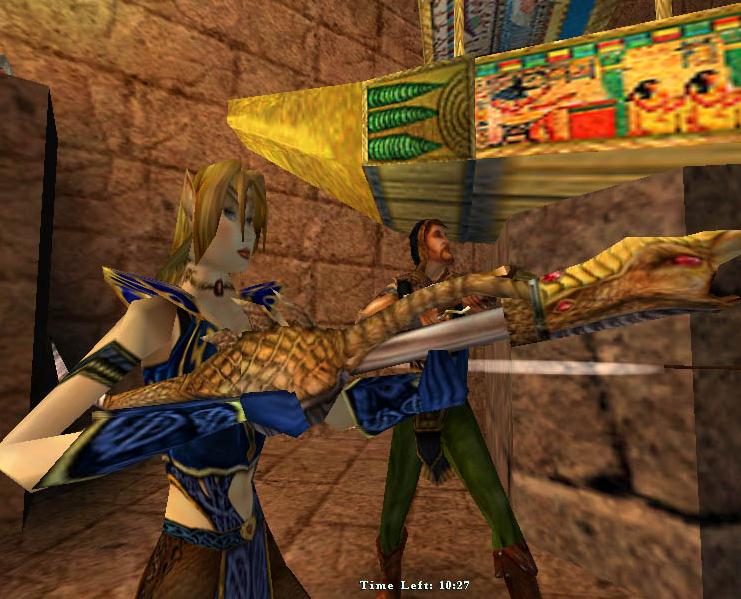
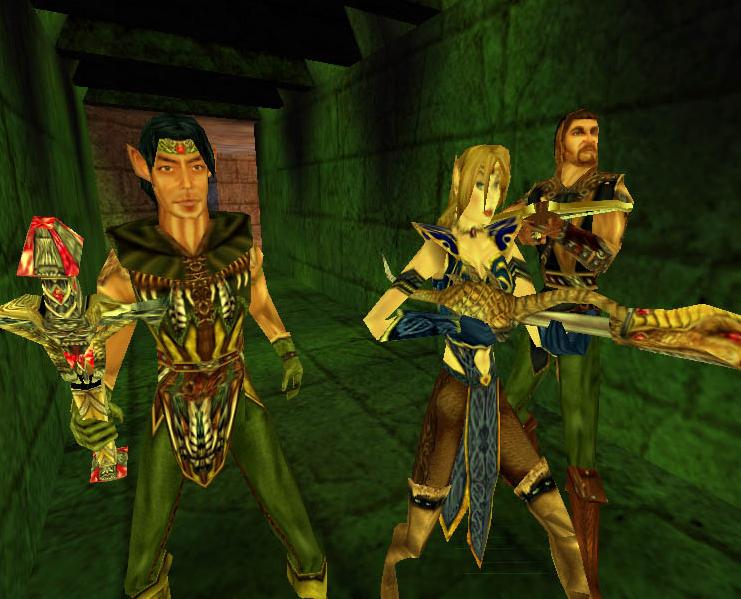
Here we see the Archer wearing a mix of early and later design elements — the black torso and hood from the demo version combined with the green Druid-style pants. In the demo build, the Archer began unarmored in all black (pants, torso, and hood), while in the retail release he starts in red. This hybrid look suggests the image may come from a transitional stage of development, where visual assets from both versions were still in use. The lighting also varies slightly in some of the Secrets of the Sphinx shots, and a few images show an earlier version of the in-game timer displayed at the bottom of the screen.



The Legacy of Change
The transformation of Legends of Might and Magic from an ambitious online RPG into a fast-paced fantasy action game stands as one of the most fascinating evolutions in New World Computing’s history. What began as a cooperative adventure of quests, artifacts, and story-driven progression eventually became a streamlined battle between the forces of Good and Evil. Yet traces of that original vision still linger — in early map layouts, prototype armor, and the faint echoes of a story that was never fully told. These glimpses remind us that Legends was shaped not by a single idea, but by many — each refining what came before, until the world we know today finally took form.